
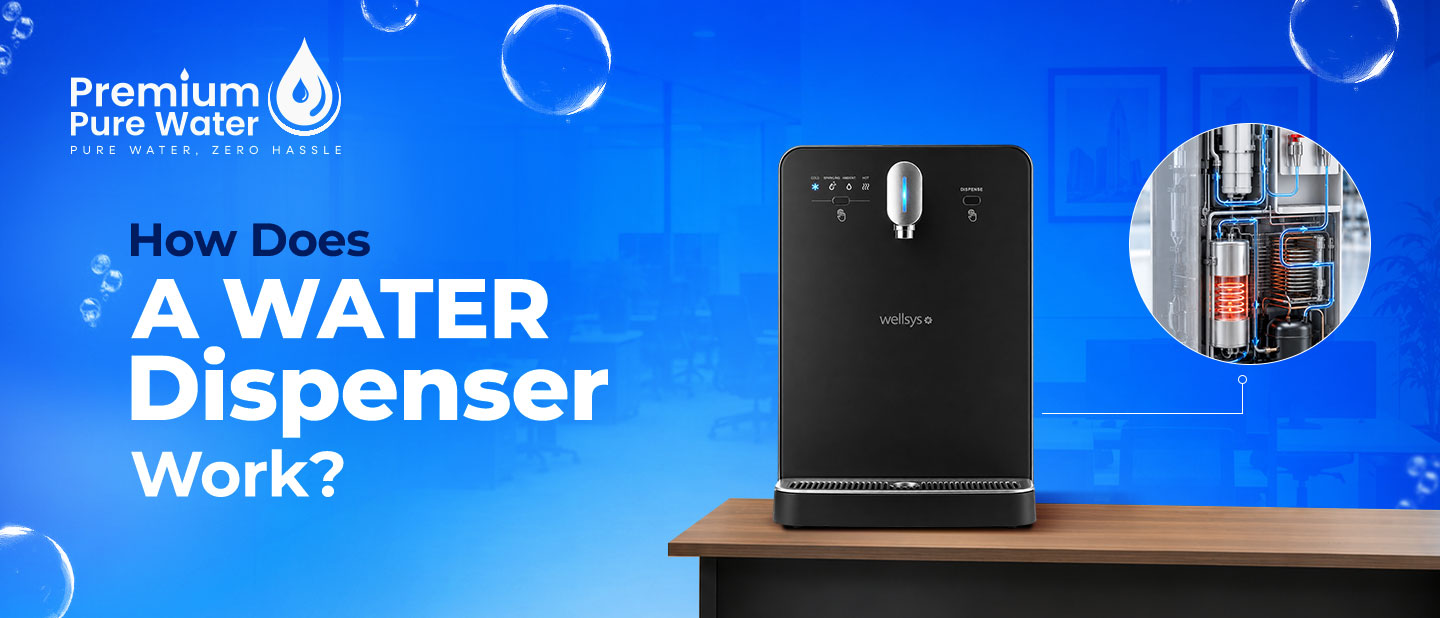
Managing workplace amenities requires a continuous balance between cost efficiency and staff comfort. Your team has to handle daily vendor friction, unpredictable delivery lines, and surprise administrative invoices every month.
At the same time, traditional 5-gallon plastic water jugs create ongoing breakroom clutter and take up critical storage space. All these cause physical lifting liabilities for your workers.
The solution here is to upgrade to a commercial bottleless water dispenser – frequently referred to as a point-of-use (POU) water cooler system.”
Unlike legacy coolers that rely on static plastic carboys, these advanced systems connect directly to your building’s existing water supply. They generate an endless stream of purified water on demand.
You need to understand how the water dispenser operates so that you can bypass these bottlenecks entirely. Evaluating the internal mechanics of this equipment helps you optimize operational budgets and improve building systems seamlessly.
The present guide answers your foundational questions regarding the water dispenser, breaks down its components, and details how it works. You will also discover how advanced multi-stage filtration, system maintenance routines, and whether they are energy efficient, can transform your workplace hydration.
Stay tuned in the end!
What Is a Water Dispenser?
A commercial water dispenser functions as an integrated mechanical asset designed to provide continuous, high-volume, temperature-controlled water. Modern facilities are using these systems to establish a dedicated, food-safe purification station directly within their existing operational square footage.
Unlike older residential fixtures, heavy-duty commercial units utilize pressurized, closed-loop structural lines. They isolate the fluid path from ambient airborne environmental contaminants. These systems eliminate the bottlenecks your workplace faces, including:
- Logistical burden of heavy manual lifting
- Variable distribution invoices
- Inventory storage challenges
Water dispenser delivers a reliable supply of purified water to support high-traffic office floors, warehouse staff, and visitor waiting areas.
Main Components of a Water Dispenser
A modern commercial water dispenser relies on durable, specialized mechanical components working together to ensure safe distribution.
To understand system reliability, you need to take a clear look at the internal industrial engineering:
1. Water Inflow Connection
The physical system connects directly to your facility plumbing using food-safe, high-pressure flexible tubing. A brass compression tee splits the main cold-water feed line safely. It doesn’t cause any local drop in building water pressure.
2. Multi-Stage Filtration Chambers
Raw tap water passes directly through sequential, high-capacity sub-micron purification housings. These industrial chambers remove suspended particulate matter, chlorine odors, volatile organic compounds, chemical residues, and dangerous heavy metals.
3. Sealed Cold Thermal Reservoir
A high-capacity water dispenser features an insulated, food-grade stainless steel storage tank to maintain low temperatures continuously. The internal lining completely isolates your drinking supply from external ambient air to eliminate any biological growth risks.
4. High-Output Heating Block
An explicit, energy-efficient thermal chamber utilizes heavy-duty heating elements to warm water rapidly. The block features precise internal thermostat monitors that prevent mineral scaling while delivering constant high temperatures.
5. Point-of-Dispense Micro-Valves
Solenoid micro-valves actuate flow immediately when users trigger the front panel sensors. These mechanical valves prevent slow post-dispense dripping and maintain clean, positive shut-offs during high-volume usage cycles.
6. In-Tank LED UV Sanitization
Specialized modules emit precise UV wavelengths directly into the storage chambers. Such continuous optical defense breaks down microorganism DNA structures to ensure water remains completely sterile before drinking.
7. Ergonomic Drip Basin
A high-impact, removable surface frame captures accidental spillages safely beneath the primary distribution valves. Your breakroom floors stay protected from slippery pooling, and the workplace upholds safety standards.
How Does a Water Dispenser Work?
Every time an employee presses a dispensing lever on a commercial hydration station, a complex engineering sequence occurs inside its machine chassis.
The entire system starts operating under constant pressure to move incoming water through purification, sanitation, and thermal calibration stages.
The closed structural network ensures water flows smoothly without air pockets by eliminating gravity-fed open designs. The balance between automated flow controls and thermal isolation lets the machine handle heavy office foot traffic. What’s the catch? There won’t be any drop in performance.
1. How Does a Water Dispenser Cool Water?
Maintaining low temperatures requires your corporate water machine to have an efficient refrigeration loop designed to handle heavy usage during afternoon office rushes. Below is a step-by-step process of how a high-performing water dispenser cools water:
Step 1: Pumping the Water Inflow
The main line pressure pushes incoming water straight into the sealed stainless steel cooling tank.
Step 2: Activating the Compression Loop
An internal thermostat senses temperature changes and engages a specialized water cooler cooling system.
Step 3: Circulating Liquid Refrigerant
The compressor pumps eco-friendly refrigerant vapor through external condenser coils to reject absorbed workplace heat efficiently.
Step 4: Chilling the Stainless Steel Walls
The expanding cold gas rapidly drops the temperature of the evaporator coil wrapped around the main reservoir exterior. A continuous thermal transfer chills the stainless steel walls to cool the water inside cleanly. There is no involvement of chemical agitators.
Step 5: Dispensing the Chilled Flow
Heat transfers out of the water through the tank walls, which leaves crisp, ice-cold liquid ready for distribution.
2. How Does a Hot Water Dispenser Work?
To provide instant hot water for coffee or tea, the hydration dispenser needs to have high-capacity heating components. Moreover, these components should avoid heavy standby energy losses.
Take a look at how a hot water dispenser works:
Step 1: Diverting into the Thermal Block
The system routes a specific portion of filtered water into a separate, heavily insulated heating chamber.
Step 2: Engaging the Heating Elements
High-resistance internal coils draw electric current to generate immediate heat directly inside the core fluid pathway.
Step 3: Monitoring Temperature Thresholds
Dual bi-metal thermostat sensors track thermal limits to maintain water safely just below the boiling point.
Step 4: Preventing Thermal Scale Buildup
After this, to preserve long-term energy efficiency, specialized internal elements minimize mineral crystallization along the chamber walls.
Step 5: Activating the Safety Valve
When your employee presses the hot selector, it opens a dedicated mechanical lock. It lets the hot water flow out safely.
Bottled vs Bottleless Water Dispensers
Every time team members lift a 42-pound carboy, legacy bottled coolers present open-air sanitation risks and physical workplace liabilities.
Conversely, modern bottleless dispensers utilize sealed internal engineering to deliver continuous purification without structural disruption.
Choosing the right setup for your facility requires a clear comparison of operating mechanics, long-term costs, and maintenance needs.
Take a look at the points below:
Supply Inflow Stability
A bottleless water dispenser hooks directly into the facility lines to provide an endless supply of clean water. The bottled counterparts, however, involve manual jug changes, missed delivery days, and breakroom clutter.
Sanitation Infrastructure
Open bottle necks allow room for dust, fingerprints, and airborne spores to enter the reservoir during replacements. However, plumbed systems use a sealed line that blocks external bio-contaminants entirely.
Workplace Floor Logistics
Storing stacks of heavy blue jugs reduces usable square footage in supply closets and breakrooms. On the contrary, bottleless units free up premium workspace floor space by removing physical inventory entirely.
Invoicing Predictability
Traditional vendors charge per bottle, leading to fluctuating expenses during summer heatwaves. Plumbed systems use a flat operational model that makes quarterly utility budgeting simple.
Types of Water Dispensers
Every workplace has unique layout limits, headcount sizes, and physical space requirements. As a result, the types of water dispensers would definitely vary from one workplace to another.
Matching the right equipment configuration to your floor plan ensures smooth installation and reliable daily operation:
Freestanding Tower Modules
These high-capacity freestanding units stand upright on the floor, making them ideal for busy central breakrooms. They feature large internal cooling compressors and handle high daily usage, where counter space isn’t required.
Because they require zero structural modifications to your existing cabinetry, your facility teams can position them anywhere.
Integrated Under-Counter Systems
These setups mount the primary filtration and cooling components discreetly inside lower cabinets. They connect directly to an elegant countertop tap to complement high-end executive boardrooms.
A configuration like this hides the mechanical assets entirely out of sight. It maintains a seamless, minimalist aesthetic and also delivers high-volume output on demand.
Sleek Countertop Water Dispenser Units
Space-saving profiles sit neatly on top of existing breakroom counters or kitchen tables. A countertop water dispenser provides full filtration and heating capabilities by keeping walkways clear.
It’s a compact footprint that’s incredibly popular for boutique offices and smaller satellite breakrooms. Choose countertop options if you want premium hydration without sacrificing valuable floor space.
Heavy-Duty Industrial Models
Built with rugged stainless steel outer shells, these systems withstand harsh conditions in manufacturing zones. They feature extra physical protection to resist airborne dust and heavy physical impact.
Even in non-climate-controlled environments, heavy-duty engineering machines ensure that warehouse crews and production staff receive a continuous flow of chilled water.
Combined Ice and Water Dispensers
These multi-functional ice and water dispenser setups produce chewable nugget ice alongside standard hot and cold water options. They eliminate the need for standalone breakroom ice makers, saving valuable floor space.
When you consolidate these two essential breakroom functions into a single footprint, you drastically cut monthly maintenance costs.
Benefits of Using a Water Dispenser
A POU water dispenser provides purified water throughout the workday to keep employees hydrated and energized. A dedicated automated workplace water station offers a plethora of benefits:
Immediate Overhead Savings
Eliminating per-gallon delivery fees reduces monthly commercial drinking water expenses by up to 60%. A POU station bypasses variable usage charges entirely.
Your operations directors can stabilize their bottom line and shift fluctuating logistics costs into a highly predictable utility expense.
Lower Administrative Burden
Accounting teams lose significant time tracking variable delivery slips and processing multiple vendor invoices. Switching to a single, flat-rate monthly service agreement drastically reduces valuable time wastage.
Such a structural workflow adjustment optimizes internal accounting efficiency and simplifies monthly facility expense reports for management.
Fewer Workplace Physical Injuries
Stopping the manual lifting of heavy, awkward 42-pound plastic carboys lowers worker compensation claims. Your staff also becomes less prone to fatal workplace injury risks.
Transition to an automated water system to protect your team from back strain and create a safer commercial environment.
Smaller Corporate Carbon Footprint
A multi-functional water machine eliminates bulk single-use plastics. It directly supports corporate green initiatives by keeping harmful waste out of local landfills.
Hefty fuel emissions are associated with weekly heavy bottle delivery truck transport and storage logistics. A water dispenser cuts these commissions, and your company can actively reduce its carbon footprint.
Better Hiring and Retention
Premium breakroom amenities, such as customized ice and sparkling water options, elevate day-to-day employee comfort.
Invest in high-performance workplace infrastructure to respect and prioritize the wellness of employees. In turn, it helps boost morale, improve recruitment, and retain top talent.
Water Dispenser Maintenance Tips
Keeping your system running reliably requires simple, routine maintenance. A managed service provider can make sure your system receives regular care without distracting your internal maintenance crew.
Using an all-inclusive service program takes the hassle out of water dispenser maintenance. Experienced technicians handle all filter upgrades, system deep cleans, and multi-point safety inspections automatically.
Adhere to these top tips to increase the longevity of your water dispenser:
1. Scheduled Filter Rotations
To maintain a clean taste, Technicians must replace internal sediment and carbon cartridges every 6 months.
2. Regular Dispense Nozzle Sanitation
Wiping down external distribution tips weekly prevents cross-contamination from personal drink bottles.
3. Routine Condenser Coil Dusting
Make sure to clean the rear cooling vents twice a year with the help of specialized experts. It keeps the compressor running efficiently and prevents overheating.
4. Annual System Flushing
Running an organic sanitizing solution through the internal plumbing paths clears out mineral deposits safely.
5. Continuous UV Module Testing
Keep checking the diagnostic LED panel regularly to assess if the ultraviolet sanitation lamps are working correctly.
Are Water Dispensers Energy Efficient?
Energy efficiency is a top priority in modern facility management and corporate sustainability circles.
Modern commercial water systems use advanced power-management technologies to keep utility costs low. High-density polyurethane insulation wrapped around the hot and cold tanks minimizes thermal leakage to prevent constant cycling.
Many systems also feature automated sleep modes. This feature powers down the heating elements during nights and weekends when the office is empty. You can reduce total standby power draw by up to 40 percent compared to older models.
By matching electricity use to actual office hours, a water cooler system maintains cold temperatures. At the same time, it doesn’t spike your building’s monthly electric bill.
How to Choose the Right Water Dispenser?
Selecting the ideal water dispenser for your workplace requires looking closely at a range of factors. Consider your daily office headcount, available plumbing access, and custom drink options.
When you match your specific floor plan to the right asset configuration, you will experience smooth installation, optimal utility efficiency, and reliable daily operation for your workforce.
Assess Headcount Requirements
High-traffic warehouse floors need heavy-duty units with high-output cooling compressors to serve large groups quickly. Evaluate daily usage parameters to enable your office water dispenser maintain optimal ice-cold temperatures even during peak breakroom rushes.
Verify Beverage Configurations
Corporate headquarters often prefer versatile models that offer ambient, hot, cold, and sparkling water configurations. Choose an adaptable, multi-functional water cooler system to satisfy diverse employee hydration preferences.
Check Independent Certifications
You should ensure any unit you choose holds certified water dispenser filtration ratings, including NSF/ANSI 42 and 53 standards. Verifying these sub-micron safety classifications guarantees the continuous removal of lead, cysts, and chlorine.
Confirm Facility Plumbing Access
Checking plumbing lines beforehand makes installation quite simpler. Professional technicians can hook systems up using a standard cold-water line connection. It’s a seamless setup process to ensure a bottleless water dispenser operates cleanly and perfectly.
Secure Your Workplace Hydration System With A High-Performing Water Dispenser
Upgrading to a POU water dispenser streamlines your facility management by providing continuous, filtered water without the hassle of bottle delivery.
The transition eliminates unpredictable monthly shipping bills, frees up critical storage space, and reduces your team’s physical lifting liabilities. Invest in a closed-loop system and let your office enjoy a clean, reliable, and sustainable water supply.
At Premium Pure Water, our professional team manages the entire process – from initial site planning and line installation to routine maintenance.
Contact Premium Pure Water today to design a hassle-free, high-performance hydration system tailored specifically to your facility’s daily needs.