
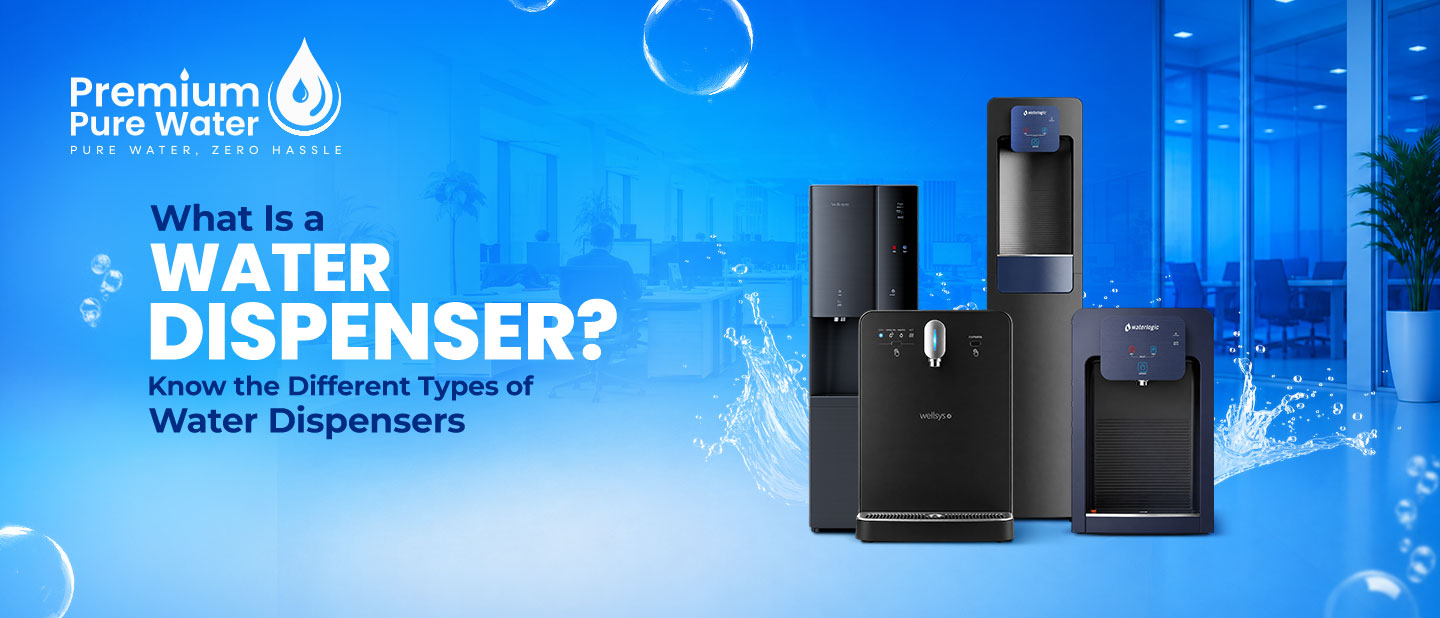
Are you tired of tracking unpredictable delivery drivers or stacking heavy plastic jugs in your breakroom? Managing a commercial facility requires constant attention to utility budgets and workplace amenities.
Fluctuating monthly bills and cluttered supply closets drain your administrative patience. Traditional water delivery systems tend to give rise to constant operational bottlenecks. Staff members drop their primary tasks just to lift heavy tanks, and often get injured.
However, with modern filtration hardware systems, you can fix these persistent logistical headaches immediately. Switching to a bottleless water dispenser can easily solve your physical and financial headaches immediately.
Modern commercial bottleless water dispensers connect directly to the existing water line. As a result, facilities can secure clean, reliable water on demand without the supply chain hassle.
This comprehensive guide explains exactly what is a water dispenser and how its internal systems work. You will explore a detailed list of different commercial dispenser types to find the perfect fit for your floor plan. Finally, the breakdown highlights the long-term financial benefits and top high-performance features that streamline workplace hydration logistics.
Read on to discover everything you need to build an efficient, cost-saving workplace hydration setup!
What Is a Water Dispenser?
Commercial facilities rely on dedicated infrastructure to maintain high employee production and clean hospitality spaces. A standalone water dispenser system serves as a central utility station in your setting. It delivers instant, temperature-regulated drinking water directly to your team.
These modern units replace archaic tap water practices and old-fashioned cooling pitchers with centralized, fast-dispensing hardware. These advanced systems connect straight to your existing plumbing line to establish a continuous supply.
The best part about the water dispenser is that this layout entirely removes your administrative tracking burden. You gain a permanent asset that improves clean drinking water access across your entire commercial real estate footprint.
Here’s a quick sneak peek at the key features of water dispensers:
- Sealed filtration lines feasibly block incoming dirt.
- Advanced surface protection technology with antimicrobial coatings to shield exterior touchpoints from bacterial growth.
- Internal heating units provide hot water while compact cooling loops chill incoming water.
- In-tank LED UV automatically neutralizes microscopic bacteria inside storage wells.
- Those having a bottleless design can seamlessly link plumbing networks for continuous purified water.
How Does a Water Dispenser Work?
Modern hydration appliances use clean, targeted mechanical pathways to process tap supply into crisp beverages.
Traditional setups used to rely on gravity to pull liquid down from top-heavy plastic jugs into open internal storage wells. A contemporary water dispenser exposes your drinking water to environmental dust whenever you switch the empty tank. State-of-the-art point-of-use (POS) machines can change this process by drawing supply straight from your primary plumbing link.
The closed system uses constant water line pressure to drive incoming streams through multiple dense barriers. To monitor current fluid volumes, there are internal electronic sensors. They trigger heating elements or refrigeration loops to maintain perfect temperatures inside insulated storage chambers.
Below is an explanation of how does water dispenser works:
Point-of-Use Direct Plumbing Connections
Plumbed setups efficiently connect to the main water line of your commercial building. The connection provides a reliable influx of utility fluid without human intervention. Automated valves present in it control internal pressure levels to prevent workplace leaks.
Multi-Stage Carbon Block Filtration Pathways
Incoming water streams through the densely packed layers of sediment as well as activated carbon blocks. It’s a next-generation process that efficiently separates smaller particulate soil, remaining chlorine, and structure pipe scaling. Expect your team to get crisp, drinkable water without strong chemical odors.
Integrated Thermal Management Subsystems
Separate internal storage tanks can maintain active heating and cooling cycles in different internal storage tanks. The water dispenser, due to heavy insulation wraps, can preserve these distinct temperatures by using very little electricity. The moment you touch the sensor, the system dispenses matching options.
Integrated In-Tank LED UV Sanitization
Inside the storage well, continuous ultraviolet light arrays automatically neutralize microscopic bacteria. To be specific, it doesn’t alter the flavor profiles. Such an automated, closed-loop cycle runs constantly to safeguard the purified water supply before it is dispensed.
Point-of-Dispense Hygiene Controls
Modern machines use sealed nozzles to safeguard the water from harmful, external airborne bacteria. What activates the flow safely are hands-free levers or mechanical foot pedals. In busy communal workspaces, the physical separation prevents cross-contamination.
Bottleless Direct-Line Supply Integration
Drawing water directly from the building plumbing network eliminates the need for physical storage jugs. The incoming fluid flows continuously through a sealed, protected line that prevents airborne contamination during processing.
Different Types of Water Dispensers
Finding the right fit for your facility depends entirely on your daily foot traffic and layout constraints. You can easily match a specific configuration to your exact corporate footprint.
Every workspace requires a unique approach to handle daily shift rushes or tight space limitations. Exploring your options helps you choose a setup that permanently eliminates administrative bottlenecks:
1. Plumbed Point-of-Use Designs
These advanced plumbed POS systems run straight from your primary water infrastructure. They use built-in filtration setups to provide a bottleless water dispenser setup that completely eliminates manual jug management.
Advantages:
- Keeps operational costs completely predictable.
- Eliminates heavy physical lifting risks.
- Secures the communal drinking supply.
- Frees up useful square footage.
2. Integrated Ice & Water Dispensers
A multi-functional ice and water dispenser setup that combines high-capacity nugget or tulip ice production. Along with this, there are multiple water temperature zones from a single footprint. You can instantly serve rapid morning coffee rushes and afternoon cold breaks without crowding your kitchen.
The automated ice storage compartment stays completely sealed to prevent external workplace dirt from affecting your supply.
- Saves space by merging two standalone breakroom appliances into one.
- Provides fresh, purified ice using reverse osmosis filtration.
- Handles high-volume demands on manufacturing floors or cafeterias.
3. Compact Countertop Models
These space-saving countertop setups can sit comfortably on employee desks, countertops, or small side tables. A countertop water dispenser provides high-tier filtration without taking up valuable facility floor space.
- Fits perfectly under breakroom cabinets.
- Maximizes available corridor floor paths.
- Delivers professional multi-stage filtration power.
- Accommodates smaller daily staff groups.
4. High-Capacity Freestanding Units
Having high-capacity freestanding configurations enables you to handle dense warehouse shift crowds. With these models, it’s possible to pump refreshing water out at an accelerated rate. The built-in performance controls prevent temperature drops even during heavy, continuous usage cycles across your entire production floor.
- Matches intense shift change rushes.
- Features large internal storage wells.
- Offers excellent structural chassis strength.
- Integrates easily into large hallways.
Benefits of Using a Water Dispenser
Upgrading your workplace hydration setup directly impacts your daily operational efficiency and bottom line. As you switch instantly, it eliminates the constant logistical headaches of manual inventory tracking.
High-performing configurations streamline overall facility management, apart from providing teams with continuous, premium drinking water.
Below, we have jotted down the benefits of installing a water dispenser:
1. Wiping Out Variable Logistics Expenses
When you switch to direct filtration, it immediately replaces your erratic monthly vendor bills with a stable rate. You can finally stop paying for those plastic manufacturing surcharges and logistical transit fees. A major transformation like this stabilizes your yearly facility overhead.
2. Reclaiming Valuable Storage Square Footage
Piling up plastic containers ruins the organization of your warehouse or supply room. A direct machine can seamlessly free up these storage zones for core inventory. Be able to maximize your active commercial floor plan.
3. Cutting Corporate Plastic Trash Output
Traditional drinking programs dump thousands of pounds of old plastic material into local landfills. Direct point-of-use setups with advanced bottleless features bypass the plastic supply chain completely. Your facility will be able to meet its strict corporate environmental goals.
4. Maximizing Workforce Production and Health
During demanding afternoon work hours, easy access to fresh water and cold beverages keeps your staff productive. Your employees can skip long trips to out-of-the-office stores because their favorite beverages flow right inside the building.
Such a value-generating asset protects your daily operational output in a scalable way.
Where Can You Use a Water Dispenser?
Almost in any architectural layout or high-traffic professional environment, versatile hydration units fit seamlessly. We suggest that you place a dependable system in the strategic locations we have jotted down below. Employees and visitors can access clean drinks daily without any hassle.
You can optimize empty corners or busy communal hubs to support consistent wellness goals across your entire building.
High Traffic Corporate Office Breakrooms
Central administrative hubs need an office water dispenser to handle intense morning coffee rushes and lunch crowds. Place equipment near common tables to help your teams stay refreshed without leaving the floor. Eventually, it will improve the daily employee experience.
Demanding Industrial Manufacturing Floors
In hard-working industrial environments, heavy-duty drinking water dispenser setups are absolutely non-negotiable. It’s because these appliances keep your crews safe and reduce missed work hours occuring because of waterborne diseases. During long shifts, placing high-volume units near assembly zones keeps workers hydrated.
At the same time, this placement also supports workplace safety protocols.
Sterile Modern Healthcare Environments
Medical centers and patient waiting zones need a high-quality, dedicated hot and cold water dispenser to serve family members. Sealed and touchless systems feasibly maintain clean conditions in sensitive public spaces. They provide quiet and dependable comfort to all the visiting guests.
Busy Automotive Dealership Customer Lounges
Bustling showrooms host long financial consultations and a constant flow of customers. They are in dire need of premium amenities to keep clients comfortable as much as possible.
A filtered water dispenser upgrades your reception space instantly. It projects a professional, high-end image that matches your business standards.
How Much Does a Water Dispenser Cost?
It’s quite obvious for the commercial facility managers to analyze upfront equipment fees against long-term operational savings. Basic top-loading water dispensers require minor initial spending. Nevertheless, they create constant delivery fees that drain budgets over time.
On the other hand, advanced inline filtration assets demand quick professional support. Simultaneously, they lower your monthly utility costs significantly.
Specific setup requirements and machine configurations can significantly alter overall commercial packaging. Hence, exact premium inline systems require customized service quotes rather than static, off-the-shelf pricing.
Standard local service agreements effectively cover scheduled cleanings and preventative part replacements for a fixed fee. With this kind of setup, you can easily prevent unexpected repair bills. Investing in fixed-line workplace amenities helps finance teams easily map out clear 5-year operational budgets.
Top Features to Look for in a Drinking Water Dispenser
Before investing in a premium system, it’s a MUST to look far beyond basic heating and cooling capabilities. We recommend that you evaluate specific engineering details to ensure your selected machine handles daily workplace wear without frequent maintenance interruptions.
You can protect your long-term investment by prioritizing advanced sanitation components and high-capacity internal designs:
The UV Sanitization Technology
Here’s the thing about in-tank LED UV systems – they genuinely work without requiring much from you. The UV lights continuously kill bacteria and particles sitting in the water storage without changing how the water tastes.
If you have ever had to deal with a contaminated tank situation, you know it’s a headache. It’s a preventive maintenance that actually prevents further health complications.
Filtration That Doesn’t Make You Replace Cartridges Monthly
We frequently talk to a lot of office managers who are really tired of swapping water filters like it’s a part-time job. Quality filtration systems, particularly the high-performance ones paired with long-life RO filters, keep your maintenance routine realistic. Yes, you’ll still need to replace filters, but not constantly.
It’s the difference between quarterly maintenance and something that actually fits into your budget.
Surface Protection Matters More Than You’d Think
Water spillage and minor leaks happen. That’s just life in a busy office. Dispensers that feature surface protection technology can protect your flooring and furniture from damage when accidents occur.
It’s the kind of “crucial” feature that saves you hundreds in the upcoming years.
Temperature Flexibility Serves Your Whole Team
Not everyone wants ice-cold water. Tea drinkers look for hot, but high performers want cold. At the same time, there are some people who prefer room temperature. When your dispenser handles all three temperatures from one unit, you actually reduce the number of people bringing in their own kettles or personal water bottles.
Advanced Diagnostics Are Worth the Investment
Older dispensers, as soon as they crash down, tell you something is wrong. On the contrary, disruptive systems let you know what’s happening before you have a problem. Advanced diagnostics can easily catch filter saturation, pressure issues, and performance dips early. In the long run, that means fewer surprise breakdowns interrupting your team’s day.
Partner With Premium Pure Water To Secure the Ideal Hydration Blueprint for Your Facility
Now that you know what is a water dispenser in detail, choosing the right workplace hydration is not something to compromise anymore. A streamlined system eases your daily facility logistics and eliminates unpredictable delivery dependencies. At Premium Pure Water, we understand the frustration of rising invoice rates and cluttered storage areas.
Our advanced point-of-use systems hook straight into your building architecture to deliver clean, filtered water on demand. A remarkable commercial upgrade trims your operational overhead while providing elite sanitization features for your team. You can replace the hassle of traditional heavy bottles with a modern, hassle-free utility asset.
Upgrade your workplace hydration today. Request a free trial or get in touch with our team to schedule your custom water dispenser solution demo.
FAQs
1. What is a water dispenser in commercial spaces?
A commercial water dispenser is a specialized, on-site machine that aims to purify and control the drinking water temperature. It offers any workplace an unlimited supply of safe and filtered drinking water after plumbing into your existing supply.
2. How does a bottleless water dispenser lower building expenses?
A bottleless water dispensing system significantly reduces your building expenses. It connects directly to your primary utility line in order to bypass recurring plastic container delivery fees. By installing one, you can easily eliminate variable fuel surcharges, admin tracking costs, and storage waste completely.
3. Can a countertop water dispenser handle high daily staff traffic?
Yes, countertop water dispensers are compact and high-end models. They feature fast-heating and cooling loops comparable to their full-size counterparts. These efficient, space-saver units tucks neatly under office breakroom cabinets without sacrificial performance drops.
4. What maintenance steps does a water cooler dispenser require?
A hot and cold water dispenser requires consistent maintenance twice a year. Expert service technicians perform multi-stage filter replacements and conduct internal sanitization flushes.
Regular scheduling the lifespan of every component and keeps your office hydration infrastructure running smoothly.
5. What is the difference between a bottled and a bottleless water dispenser?
Bottled water dispensers need constant manual heavy lifting of 5-gallon plastic jugs. Contrarily, bottleless setups tap directly into your building pipes. They use internal filters to deliver an endless, on-demand stream without inventory headaches.